Choosing Bathroom Wall Materials in Humid Melbourne, FL
Any experienced bathroom remodeling contractor in Melbourne, FL will tell you that the wall materials you choose can make or break a bathroom remodel in this climate. High humidity, steamy showers, and daily splashes put constant stress on every surface in the room, and choosing the wrong option leads to peeling paint, persistent mold, and mildew that creeps behind your walls before you ever see it.
Brevard County homeowners face additional challenges that many national guides overlook. Salt air near the coast accelerates grout breakdown. Older Florida homes often lack adequate exhaust ventilation, trapping moisture inside for hours. Hidden water damage behind tile can silently rot substrates and framing for years before a full tear-out reveals the extent of the problem.
The solution is straightforward but requires local knowledge: select wall materials and waterproofing systems designed for Melbourne’s climate, installed according to Florida Building Code requirements, by a bathroom remodeler who understands both. This guide delivers specific wall material options with honest pros and cons, code and maintenance tips, cost ranges, and insight into how a professional bathroom remodeling contractor supports a smooth remodeling process from start to finish.
Key Takeaways
- Tile, acrylic and PVC panels, fiberglass, solid surface slabs, and moisture-resistant drywall are the primary wall material options that Brevard County homeowners should evaluate for any bathroom remodeling project.
- Porcelain tile is highly favored for its durability and water resistance in bathrooms, while waterproof wall panels offer low-maintenance, easy-to-clean surfaces for secondary or budget-friendly spaces.
- Florida humidity, salt air, and Florida Building Code requirements for nonabsorbent surfaces in wet zones are just as critical as the visible finish when selecting materials for a bathroom renovation.
- The hidden layers behind your walls, including cement backer board and waterproof membranes, determine whether your remodel lasts five years or fifty.
- Working with an experienced bathroom remodeling contractor in Melbourne, FL helps prevent mold, leaks, failed inspections, and costly rework down the road.
How Florida’s Climate and Building Codes Affect Bathroom Wall Choices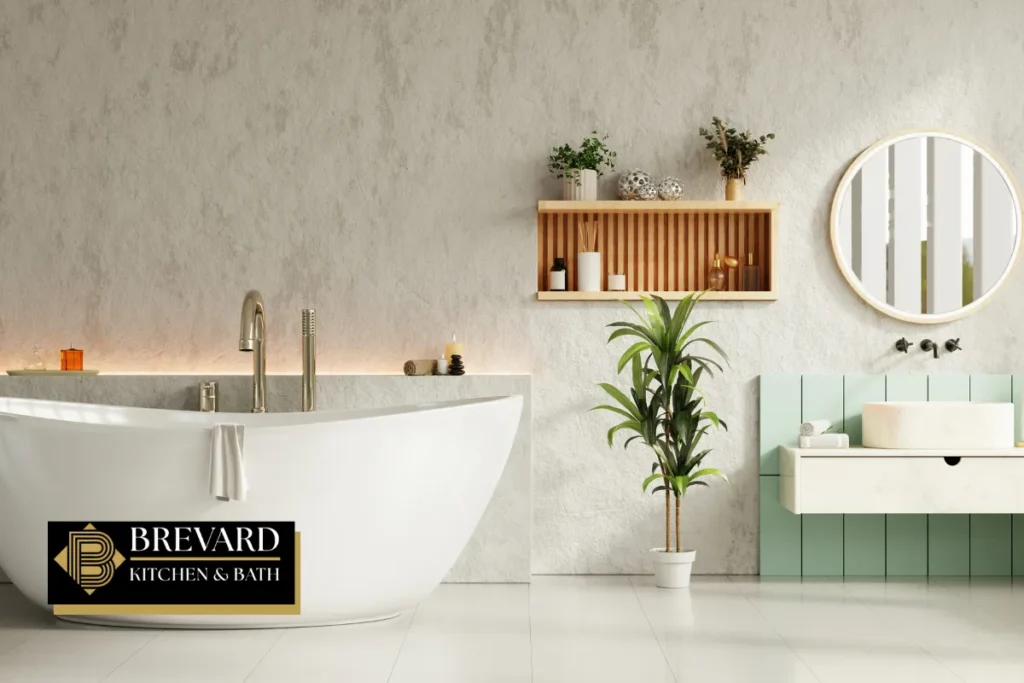
Before picking tile patterns or paint colors, homeowners need to understand the environmental forces working against bathroom walls in Melbourne, FL. Climate and code should drive every material selection in a bathroom renovation, not the other way around.
Melbourne and the wider Brevard County area regularly see relative humidity above 70 to 80 percent. Add frequent temperature swings between day and night, intense solar exposure through windows, and salt-laden coastal air, and you have conditions that accelerate mold growth, grout deterioration, and substrate breakdown faster than in most other U.S. markets. A quality exhaust fan helps reduce humidity in bathrooms and extends the lifespan of wall finishes, but ventilation alone cannot compensate for the wrong materials.
The Florida Building Code sets clear standards that every bathroom contractor must follow. Shower walls and walls above bathtubs with installed shower heads must be finished with a smooth, nonabsorbent surface to a height of at least 70 inches above the drain inlet. Waterproof joints are required between built-in tubs and adjacent walls. These are not suggestions. They are enforceable requirements that inspectors check during a remodeling project.
Understanding the difference between wet zones and dry zones matters for material selections. Wet zones, including showers, tub surrounds, and floors exposed to direct spray, demand nonabsorbent finishes over cement backer board with waterproof membranes. Dry zones, such as upper walls away from the tub and vanity areas, can use moisture-resistant drywall with appropriate paint. Mixing these up is one of the most common and most expensive mistakes in residential construction.
Hire a general contractor for large projects needing permits, especially when the scope involves moving plumbing or altering structural walls. A qualified bathroom remodeler reduces the risk of failed inspections and water intrusion issues that can cost thousands to correct.
Ceramic and Porcelain Tile: The Classic Choice for Bathroom Walls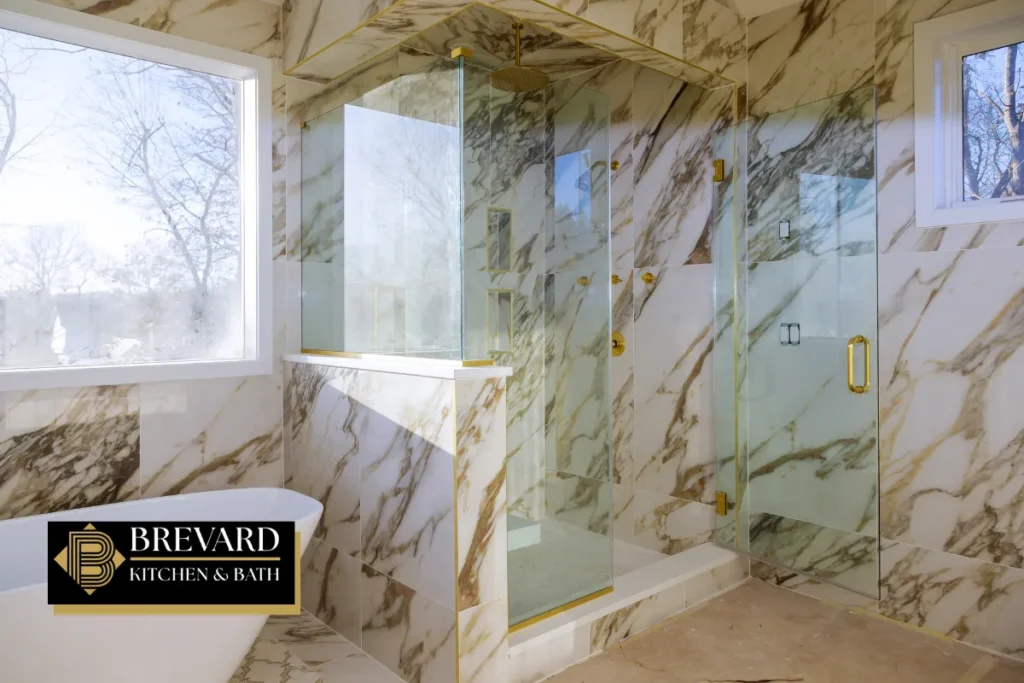
Tile remains the most popular bathroom wall option in Melbourne and across Florida homes for good reason. Tile is a common choice for bathroom walls due to its moisture resistance, design flexibility, and proven track record in humid environments.
The difference between ceramic and porcelain tile comes down to density and water absorption. Ceramic tile is made from clay fired at lower temperatures, resulting in a more porous body. Porcelain tile is fired at higher temperatures, creating a denser product with water absorption below 0.5 percent. For high-moisture, heavily used showers in Brevard County homes, porcelain is the stronger performer. Large-format tiles are recommended to minimize grout lines, which can harbor mold, a particularly relevant consideration in Florida’s climate.
Advantages of a quality tile installation include:
- Excellent water resistance when properly installed with a waterproof membrane and appropriate backer board
- Decades of lifespan, often 20 to 50 years with maintenance
- Strong positive impact on resale value for bathroom remodels
- Nearly unlimited design flexibility in color, pattern, and layout
The downsides are real, though. Grout is the weak link. In Florida’s humidity, lighter grout colors show discoloration and mildew staining sooner. Epoxy grout resists staining better than standard sanded or unsanded options and is worth the upfront premium in shower applications. Tile installation averages around 25 dollars per square foot, with installed costs in Florida ranging from 8 to 28 dollars per square foot depending on tile type and layout complexity. Shower tiling averages about 3,875 dollars nationally. Professional installation by an experienced bathroom remodeling contractor or tile work specialist is essential. The labor and material cost runs higher than panel systems, but the long-term performance justifies the investment for most homeowners.
Ideal locations for tile include full-height shower walls, tub surrounds, accent walls, and half-walls paired with moisture-resistant paint above. Proper waterproofing behind tile is essential to prevent moisture damage, and every quality tile installation should include a documented shower pan system with a final walkthrough to check grout consistency, caulking at all joints, and proper drainage.
Waterproof Wall Panels: Acrylic, PVC, and Fiberglass Systems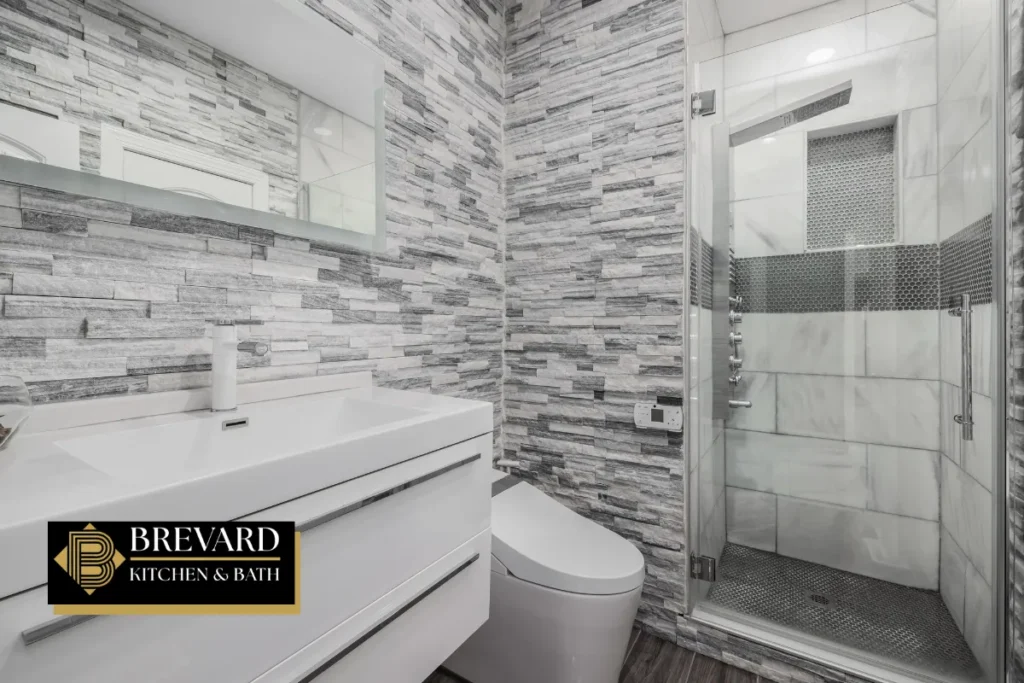
Waterproof wall panels offer low-maintenance, easy-to-clean surfaces for bathrooms, and many Brevard County homeowners choose them for quick, clean bathroom remodels that minimize disruption to their daily routine.
Three common panel categories serve different needs:
- Acrylic panels are durable, available in various colors and patterns, and resist water well. They tend to hold up longer than fiberglass but cost more.
- PVC composite systems are chemically inert and highly moisture-resistant, making them a practical choice for humid Florida bathrooms.
- Fiberglass surrounds are the most budget-friendly option and install quickly, but they scratch more easily and may yellow with UV exposure over time.
The benefits of panel systems center on fewer seams, minimal grout lines, easier cleaning, and faster installation. A panel surround can often go up in one to two days compared to several days for a full tile installation. In Florida, where humidity is relentless, continuous surfaces that eliminate grout maintenance appeal to homeowners who want less upkeep.
Limitations deserve honest discussion. Cheaper composite systems can yellow, crack, or warp over time, particularly with Florida’s temperature swings. Design options are more limited than tile. Proper substrate preparation by a knowledgeable bathroom contractor is critical. If the underlying wall surface is not sound, panels can buckle or separate at seams.
Best use cases include rental properties, guest baths, secondary bathrooms, and situations where a budget-friendly bathroom renovation is the priority. Some panel systems can install over existing tile if the surface is structurally sound, reducing dust and downtime during the bathroom remodeling process. Total surround replacement in Florida typically runs 1,200 to 5,000 dollars depending on size, material, and scope.
Request multiple bids to compare contractor pricing and services, and ask a local bathroom remodeling contractor for a free estimate that compares full tile versus panel system costs, timelines, and warranty coverage.
Solid Surface, Stone, and Engineered Slabs for Luxury Bathroom Walls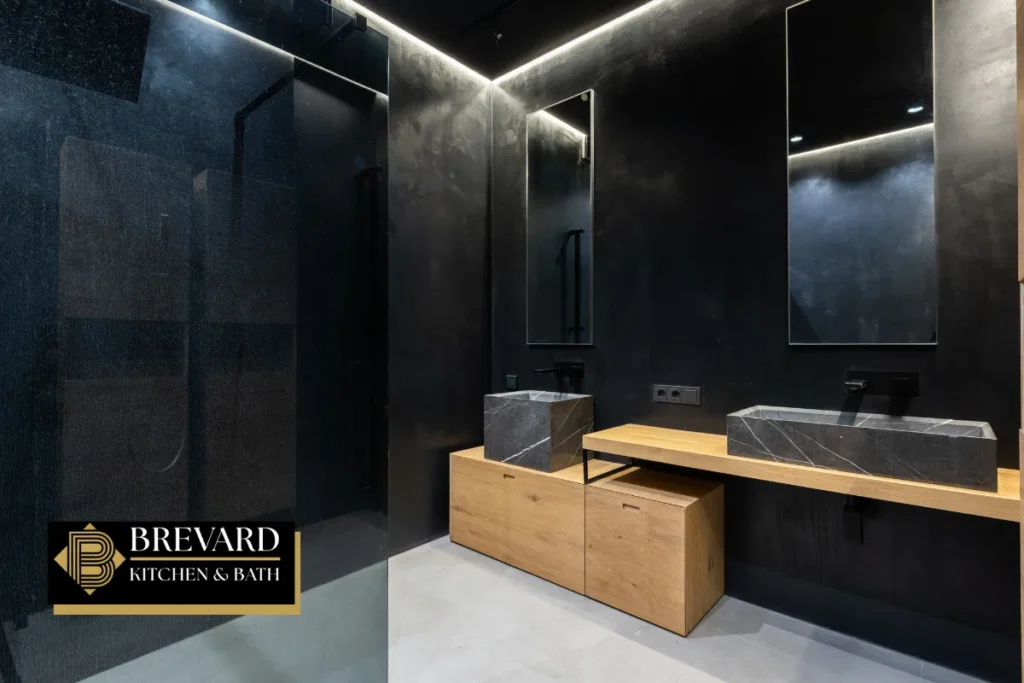
For upscale bathroom remodels, solid surface panels, quartz, engineered marble, and natural stone deliver a premium look and feel that sets a property apart.
Solid surface materials like Corian-type products are man-made composites of acrylic or polyester resin with mineral fillers. They are non-porous, easy to clean, and can be fabricated with integrated shelves, niches, and benches. Their seamless construction eliminates grout lines entirely, which reduces maintenance and mold risk in wet zones.
Engineered stone and quartz slabs combine 90 to 95 percent crushed quartz with resin binders to create surfaces that are durable, stain-resistant, and available in patterns that mimic marble without the same maintenance burden. They require little to no sealing, making them well suited for the humid conditions that define Florida homes.
Natural stone such as marble, travertine, and granite offers unmatched beauty and character. However, these materials are more porous, require annual sealing, and risk etching from acidic cleaners. Marble tiles can cost 20 times more than standard tiles, putting them firmly in the luxury category. Salt air can cause efflorescence on natural stone, so coastal residents should factor in higher long-term care.
Installation complexity and weight make slab systems a job for a bathroom contractor and fabricator with real experience. Older homes may need framing reinforcement to support heavy panels. Per square foot, these are generally the most expensive options, but they can significantly elevate perceived value for Brevard County luxury properties.
Slabs work best in master showers, feature walls behind freestanding tubs, and upscale custom bathroom renovation projects where craftsmanship and detail drive the design.
Moisture-Resistant Drywall, Cement Board, and Backer Systems
The hidden wall layers behind tile and panels are just as important as the visible finish in a long-lasting bathroom remodel. Labor and wet-area construction are the most expensive parts of most remodeling projects, and skimping on backer materials is where many failures originate.
Here is how the main substrate options compare:
| Material | Best Use | Water Resistance | Approximate Cost (4×8 sheet) |
| Standard drywall | Never in bathrooms | None | $8-10 |
| Green board (moisture-resistant drywall) | Dry zones, vanity walls | Moderate | $10-12 |
| Purple board (mold-resistant drywall) | Steam-adjacent zones, ceilings | Good | $12-15 |
| Cement backer board | Showers, tub surrounds, wet zones | Excellent | $14-18 |
Cement backer board is crucial for providing a moisture-proof foundation for tile in bathrooms. It resists rot and mold and provides a rigid, stable surface for tile adhesion. Moisture-resistant drywall is recommended for non-wet bathroom walls, such as areas near the vanity or toilet, but it should never be used as substrate in direct-water contact zones behind shower tile.
A professional bathroom remodeler layers the system correctly: stud framing, then a vapor management barrier or liquid waterproof membrane, then backer board, then the tile or panel finish. Seams get sealed with waterproof tape and thin-set or membrane. Penetrations around plumbing fixtures get properly flashed.
Cutting corners on these materials in humid Melbourne conditions leads to mold, soft walls, and costly tear-outs. The modest cost difference between cement board and regular drywall, roughly 4 to 8 dollars per sheet, is insignificant compared to the thousands a mold remediation and full tear-out will demand.
Paintable Wall Finishes: Where Regular Walls Still Make Sense
Not every bathroom wall needs tile or panels. In larger bathrooms, some areas function well with paintable surfaces when designed correctly and paired with the right substrate.
Mold-resistant paint should be used in non-wet areas of the bathroom. Look for products labeled as bathroom paint with mildew and mold inhibitors, low VOC content, and a semi-gloss or satin sheen. These finishes resist moisture better and clean more easily than flat or matte options.
Paint-only walls are appropriate for:
- Upper walls away from direct shower spray
- Toilet alcoves and linen closet interiors
- Vanity areas protected by a tile or stone backsplash
- Walls across the room from the tub or shower
In Florida, always use moisture-resistant drywall or mold-resistant board behind painted surfaces in the bathroom, and install an exhaust fan vented to the exterior per local code requirements. Without proper ventilation, even the best paint will blister and peel.
A popular design approach in Brevard County homes is wainscoting or half-height tile to 36 or 48 inches with painted walls above. This balances cost savings with durability and adds visual interest to the space. Adding new lighting or recessed lighting in these areas enhances both function and style.
Avoid using standard interior paint or low-quality drywall in small, poorly ventilated bathrooms, especially in older Melbourne houses where exhaust systems may be undersized or vent into the attic rather than outside.
Matching Bathroom Wall Materials to Your Budget and Lifestyle
The best material depends on your budget, how long you plan to stay in the home, and how heavily the bathroom is used in your daily routine. Bathroom remodel costs range from 12,500 to 30,000 dollars for a full bathroom, depending on scope and material selections. The 5% rule suggests budgeting 5 percent of your home value for remodels as a starting benchmark. Changing layouts increases bathroom remodeling costs significantly, so keeping existing plumbing locations saves money.
Here are four common homeowner profiles with recommended approaches:
- Busy family bath: porcelain tile with epoxy grout for durability, cement backer board, robust waterproofing. Higher upfront bathroom remodeling cost but lower long-term maintenance.
- Low-maintenance guest bath: acrylic or fiberglass panel systems, moisture-resistant drywall in dry zones, simple fixtures. Lower cost and faster completion.
- Aging-in-place shower: large-format porcelain panels or solid surface with minimal seams, slip-resistant surfaces, grab bars, walk-in design. Prioritize safety and accessibility.
- Upscale primary suite in a coastal property: engineered stone slabs or natural stone, custom tile work, integrated niches. Higher investment that elevates the home’s curb appeal and resale value.
Read The Pros and Cons of Dark Bathroom Floors (Before You Hire a Bathroom Remodeler in Melbourne, FL)
Bathroom remodeling includes planning, construction, and final inspection phases. A small bathroom remodel may take five to eight working days, while a full bathroom remodel can take four to eight weeks or more. Hiring a designer can cost between 300 and 500 dollars but helps prevent costly mistakes. Bathroom remodeling typically starts with demolition of old fixtures, so order materials before construction to avoid delays once work begins.
Before signing anything, ask contractors for examples of past work similar to yours. Get written contracts outlining scope, materials, and payment schedule. Check contractor reviews and ratings before hiring. A thorough final walkthrough with the contractor should include reviewing caulk lines, grout depth, waterproof details, and fixture operation so issues are corrected before the job closes out. These steps protect your investment and give you confidence in the finished room.
Bathroom Remodeling Contractor in Melbourne, FL – Brevard Kitchen and Bath
At Brevard Kitchen and Bath, we are a trusted bathroom remodeling contractor serving Melbourne, Florida and surrounding areas including Palm Bay, Satellite Beach, and communities throughout Brevard County. We specialize in full bathroom remodel projects, from tile installation and shower conversions to complete renovation of every surface in the room.
We help homeowners choose the right tile, panels, and backer systems for Florida humidity, explain options clearly with personalized service, and manage the entire bathroom remodeling process from plan and design through demolition, construction, and final walkthrough. Our team brings the craftsmanship and detail that transforms your space into something that lasts.
Whether you need a simple shower update or a complete bathroom renovation, we are ready to help. Call us at (844) 965-1213 or fill out our online contact form to schedule a free estimate. Let Brevard Kitchen and Bath handle every detail of your next remodeling project so you can enjoy the results for years to come.
Frequently Asked Questions
How Often Should You Reseal Grout or Stone Walls in Florida Bathrooms?
In Florida’s high-humidity environment, grout in showers and tub surrounds should be inspected every six to twelve months and resealed as needed, typically every one to two years depending on usage and grout type. Epoxy grout requires resealing less frequently, sometimes not at all, because of its non-porous composition. Natural stone walls made of marble, travertine, or granite generally need resealing every twelve months, though some high-porosity stones in heavily used showers may need attention every six to eight months. A simple water droplet test works well: place a few drops on the surface, and if the stone darkens or absorbs the water within a few minutes, it is time to reseal. Using pH-neutral cleaners between sealings helps maintain the protective barrier.
Can You Install New Tile Over Existing Tile in a Bathroom?
Installing new tile over existing tile is technically possible in some situations, but it comes with significant caveats. The existing tile must be firmly bonded to the wall with no hollow spots, cracks, or moisture damage behind it. The added weight of a second tile layer requires that the wall framing and substrate can support it, which is a particular concern in older Florida homes with standard stud spacing. Floor tile applied over existing flooring also raises the finished floor height, which can create transition issues at doorways and interfere with toilet flange alignment and vanity placement. Most experienced contractors in Brevard County recommend full removal and fresh substrate preparation for showers and wet zones to ensure a proper waterproof membrane can be installed. Over-tiling is more acceptable for dry accent walls or backsplashes where moisture exposure is minimal.
What Bathroom Wall Materials Are Best for DIY Versus When to Call a Contractor?
Painting upper bathroom walls with mold-resistant paint over moisture-resistant drywall is a reasonable DIY project for homeowners comfortable with surface preparation and brush or roller work. Installing peel-and-stick panels or simple backsplash tile in dry vanity areas is also manageable for experienced do-it-yourselfers. However, any work in wet zones, including shower walls, tub surrounds, and areas requiring cement backer board, waterproof membrane installation, or electrical work, should involve a licensed bathroom contractor. Improper waterproofing is the leading cause of hidden mold and structural damage in Florida bathrooms. Plumbing modifications, fixture relocations, and any scope requiring a permit under local building code always call for professional home improvement services and proper inspection.
How Do Bathroom Wall Materials Affect Resale Value in Florida Homes?
Quality wall materials consistently influence how appraisers and buyers evaluate a property. Porcelain tile, engineered stone, and solid surface walls in showers and primary bathrooms signal a well-maintained, move-in-ready home and can contribute meaningfully to the home’s curb appeal and overall property value. Buyers in Brevard County expect bathrooms that can handle the climate without requiring immediate repair or renovation. Outdated fiberglass surrounds, damaged grout, or visible mold on drywall create negative impressions that often result in lower offers or requests for concessions. A full remodel with durable, code-compliant materials and clean tile work is one of the highest-return home improvement investments in the Florida real estate market, often recouping 60 to 70 percent or more of the bathroom remodeling cost at resale.
What Is the Typical Timeline for Replacing Shower Walls in a Standard Melbourne Bathroom?
Replacing shower walls in a standard bathroom in Melbourne typically takes five to ten working days from demolition through completion, assuming no hidden damage is discovered behind the existing walls. The schedule generally breaks down into one to two days for demolition and haul-away, one day for plumbing adjustments or repair if needed, one to two days for backer board and waterproofing installation, two to three days for tile installation and grouting (including cure time), and a final day for caulking, fixture installation, and cleanup. Panel-based systems can compress this timeline to two to four days. Factors that extend the schedule include mold remediation, framing repair, cabinetry modifications, and changes to the project scope after work begins. Request a detailed schedule from your contractor at the start of the project so both parties have clear expectations.
Disclaimer: This article provides general informational guidance on bathroom wall materials and bathroom remodeling in Melbourne, FL. It does not constitute legal, code, or engineering advice. Verify current Melbourne and Brevard County permitting requirements and Florida Building Code updates with local authorities. Always consult a licensed bathroom contractor before starting any structural, plumbing, or electrical work on your property.
Read 7 Tips for Maximizing Space in Your Wickham Forest Master Bath