Why the Right Bathroom Flooring Matters More Near the Water
Bathroom remodeling and bathroom tile flooring decisions carry extra weight when your home sits along Riverside Drive. For waterfront homes here, the best bathroom tile flooring choices are porcelain tile, ceramic tile, natural stone, and luxury vinyl tile, with porcelain often standing out for its low water absorption, durability, and slip resistance in coastal conditions. Waterfront living offers beautiful views, but it also brings constant humidity, salt air, and potential water intrusion that can quietly damage the wrong floor and lead to costly repairs.
If you own a waterfront property on Riverside Drive and are planning a bathroom remodel, choosing the right flooring is not just a design decision. Warping, staining, mildew, and slick surfaces become real problems when materials, grout, and installation are not suited to the environment. This guide focuses on the tile and flooring options that hold up best, along with slip resistance, grout selection, design direction, budgeting, and when to bring in a professional contractor so your bathroom stays safe, durable, and worth the investment.
The Unique Challenges of Waterfront Bathroom Renovation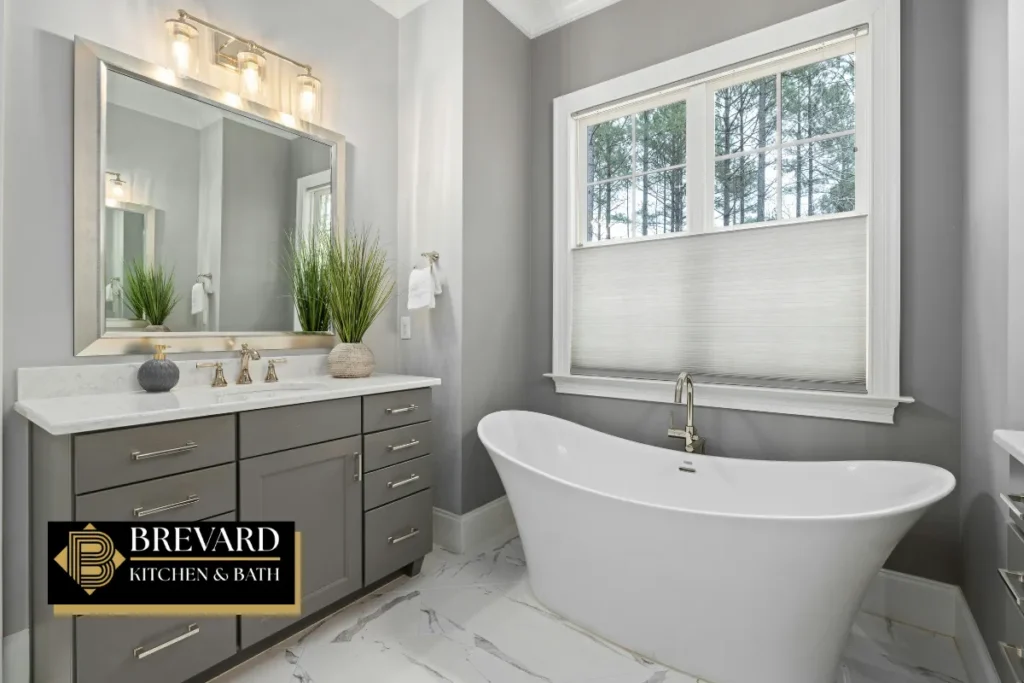
Waterfront homes face a different set of conditions compared to inland properties. High humidity levels, occasional flooding risks, and increased moisture exposure require careful planning during any bathroom remodel.
Moisture and Humidity Concerns
Bathrooms already deal with steam and water, but waterfront properties amplify these issues. Excess moisture can seep into subfloors, grout lines, and tiles if materials aren’t properly selected or installed.
Salt Air Exposure
Salt particles in the air can gradually degrade certain materials. Choosing tiles that resist corrosion and wear is critical for longevity.
Florida Building Considerations
In Melbourne, Florida, remodeling projects must comply with local building codes. This includes proper waterproofing systems, ventilation requirements, and permits for plumbing or electrical changes. Hiring a licensed bathroom remodeling contractor ensures compliance and protects your home.
Top Bathroom Tile Flooring Materials for Waterfront Homes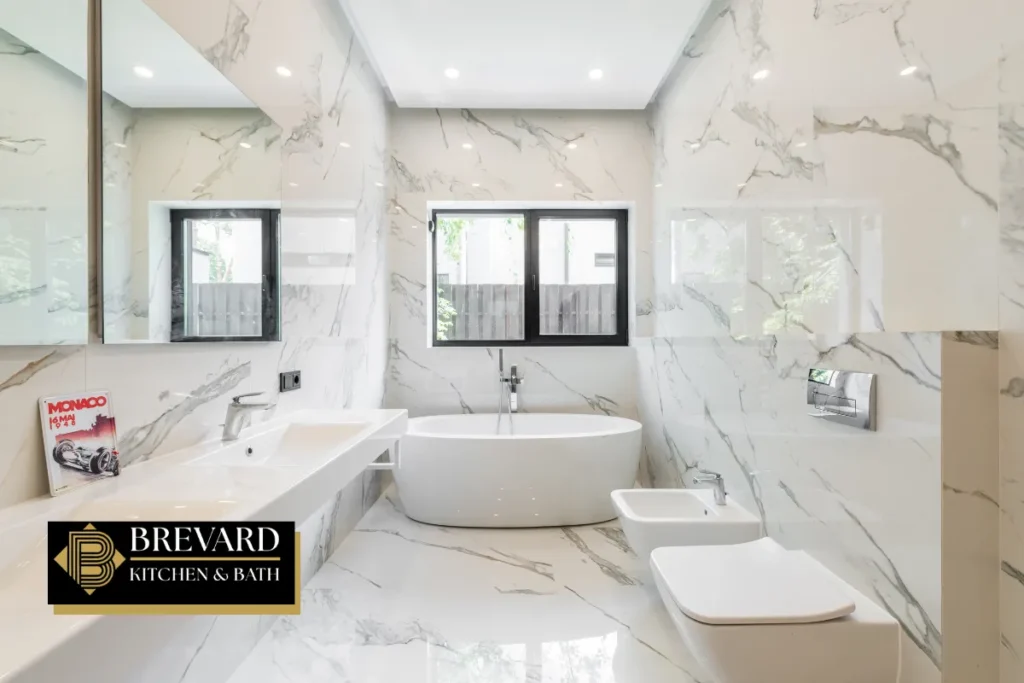
Selecting the right tile is the foundation of a successful bathroom renovation. Each option offers unique benefits, especially in moisture-heavy environments.
Porcelain Tile: The Coastal Favorite
Porcelain tiles are denser and less porous than ceramic tiles, making them an excellent option for bathrooms, especially in waterfront homes where moisture is a concern.
These tiles resist water absorption, making them ideal for bathrooms exposed to humidity and occasional splashes. Porcelain tile offers the aesthetic of coastal hardwood with greater durability compared to real wood, giving homeowners the look they want without the maintenance challenges.
Key benefits:
- Extremely low water absorption
- High durability against wear and scratches
- Available in wood-look, stone-look, and modern finishes
- Compatible with radiant heating systems
Radiant heating systems work well with porcelain and ceramic tiles, making them suitable for colder months in waterfront homes.
Ceramic Tile: A Practical and Stylish Option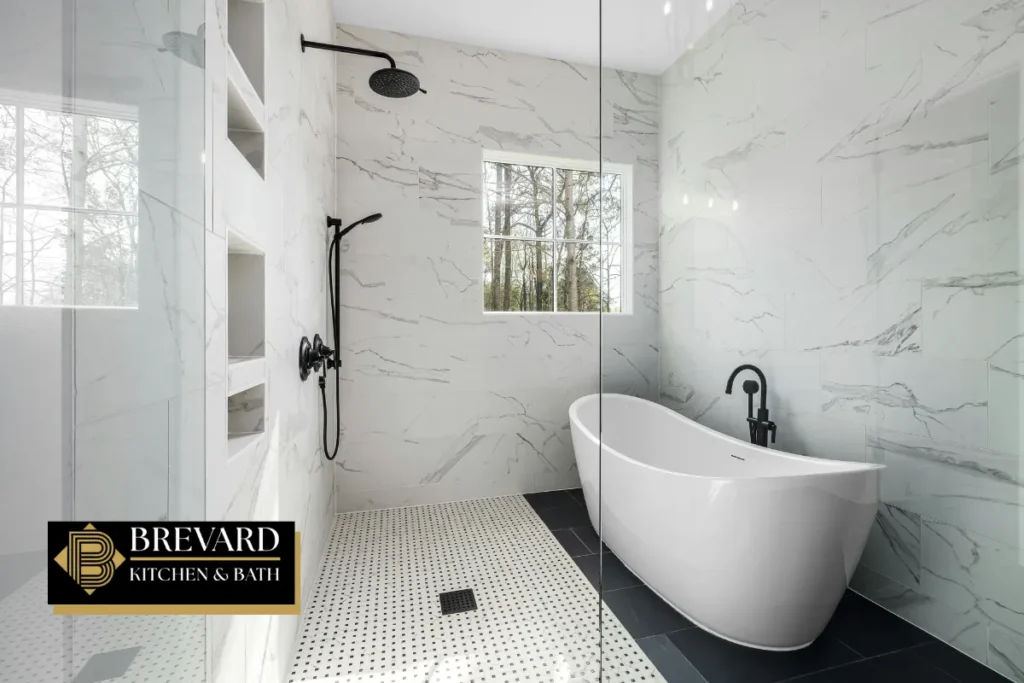
Ceramic tiles are a popular choice for bathroom flooring due to their durability, water resistance, and ease of maintenance.
While slightly more porous than porcelain, ceramic tiles still perform well in bathrooms when properly sealed and installed.
Advantages include:
- Cost-effective solution for many homeowners
- Wide range of colors and designs
- Easy to clean and maintain
- Suitable for most bathroom layouts
Regular sealing is necessary for ceramic or natural stone surfaces to prevent mildew and moisture absorption.
Natural Stone: Luxury with Maintenance Requirements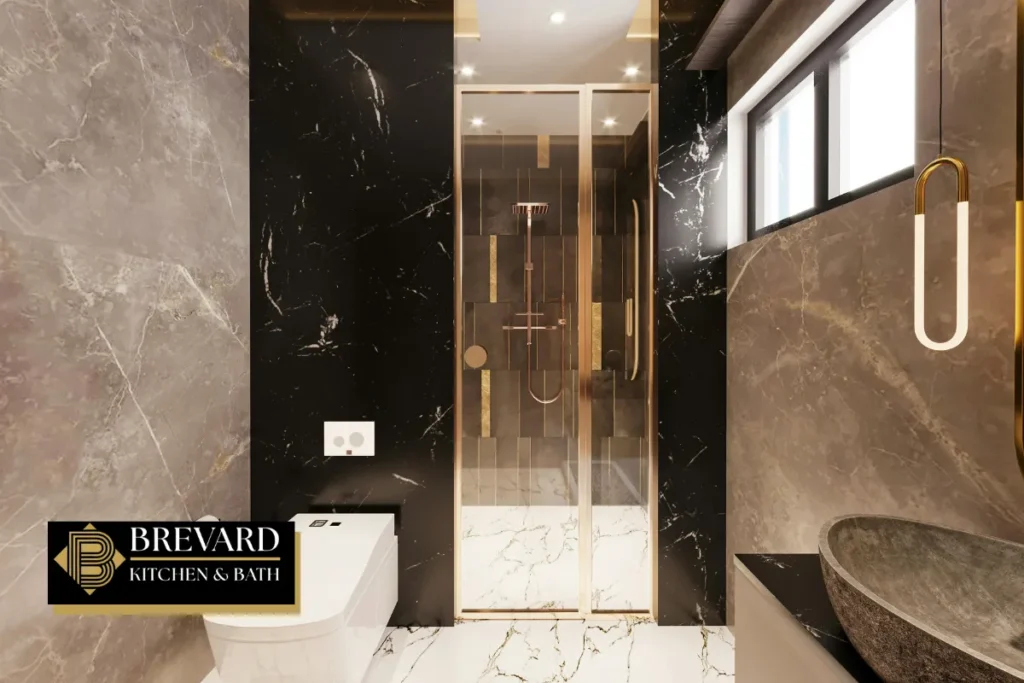
Natural stone tiles, such as marble and travertine, can add a luxurious look to bathrooms but require more maintenance to prevent staining and water damage.
These materials create a high-end appearance that many homeowners love, but they demand consistent upkeep.
Natural stone materials like travertine, marble, and slate need to be sealed regularly to remain waterproof.
Considerations:
- Requires sealing and periodic maintenance
- Can be slippery if not finished properly
- Higher cost compared to other materials
Luxury Vinyl Tile (LVT): Modern Waterproof Solution
Luxury Vinyl Tile (LVT) is a 100% waterproof synthetic option that is warmer and softer underfoot than stone.
This option has gained popularity in recent years due to its comfort and resilience.
Benefits of LVT:
- Fully waterproof construction
- Comfortable underfoot
- Resistant to scratches and dents
- Budget-friendly alternative
Safety First: Slip Resistance and Tile Texture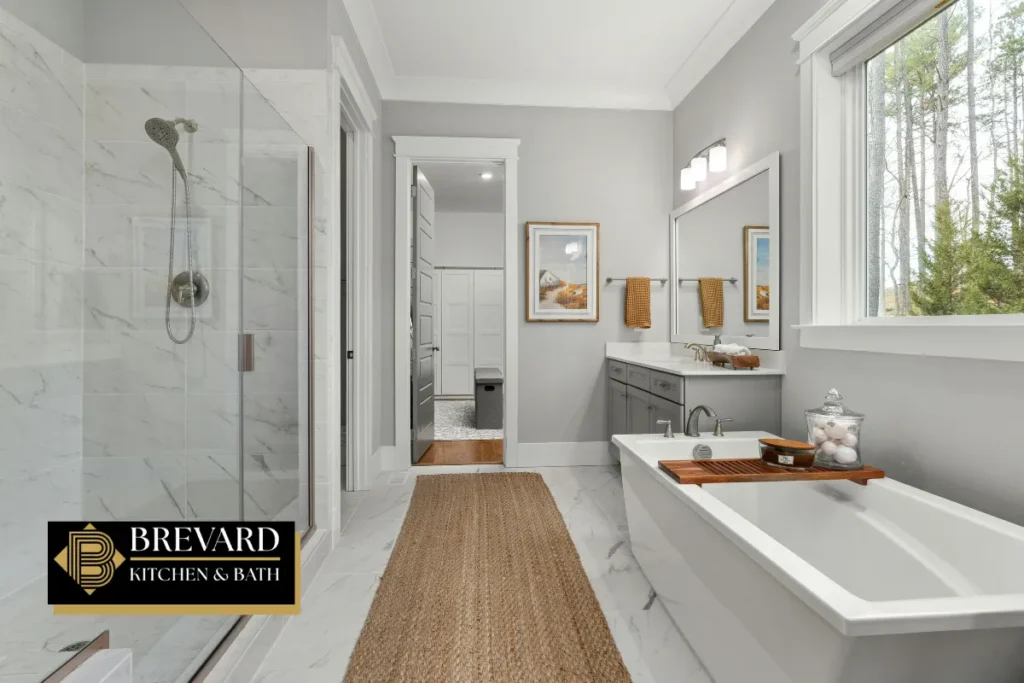
Bathrooms in waterfront homes must prioritize safety. Wet floors increase the risk of slipping, making tile selection critical.
Slip-resistant tiles should have textured surfaces to ensure safety when wet.
Matte or textured finishes on tiles provide essential slip resistance, particularly in wet areas.
A high Coefficient of Friction (COF) rating of 0.42 or higher is recommended for bathroom tiles to prevent slipping.
Best Slip-Resistant Options
- Textured porcelain tiles
- Matte ceramic finishes
- Stone tiles with honed surfaces
Read Enhancing Your Suntree Home Value with a Custom Shower Remodel
Choosing the Right Grout for Coastal Conditions
Grout plays a significant role in protecting your bathroom flooring.
Epoxy grout is waterproof and does not require sealing, making it highly recommended for coastal homes.
Unlike traditional grout, epoxy resists staining, cracking, and moisture penetration.
Design Trends for Riverside Drive Bathrooms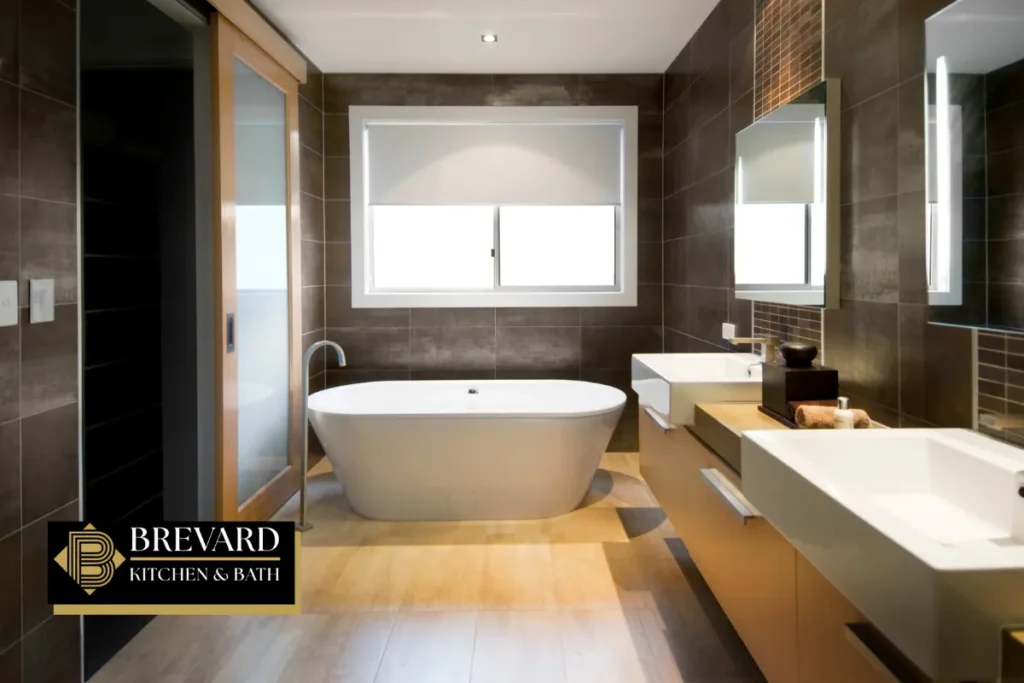
A bathroom remodel is not just about durability—it’s also about style and comfort.
Coastal-Inspired Designs
- Soft blues, whites, and sandy tones
- Wood-look porcelain tiles
- Light, airy layouts
Modern Minimalist Approach
- Large-format tiles
- Seamless flooring transitions
- Neutral color palettes
Spa-Like Retreats
- Natural stone accents
- Warm lighting
- Open shower layouts
Updating old and worn-out surfaces with high-quality materials is almost guaranteed to improve the look and functionality of your bathroom space.
Planning Your Bathroom Remodel Budget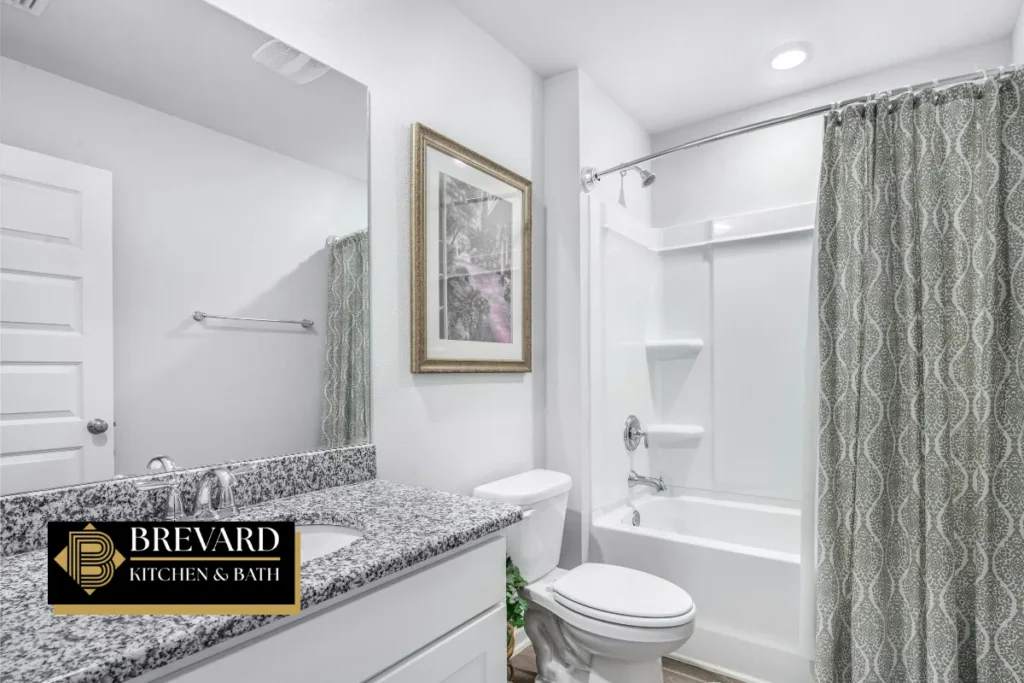
Budgeting is one of the most important steps in any bathroom renovation.
The average cost of bathroom remodeling varies greatly, with typical renovations ranging from $12,500 to $30,000 depending on the size and scope of the project.
Factors affecting bathroom remodeling cost include the finishes chosen, the square footage of the project, regional labor rates, and the scope of work, such as layout changes or moving plumbing and electrical lines; as a general benchmark, tile installation costs average about $25 per square foot.
A realistic budget for a bathroom remodel should reflect labor, materials, design choices, and installation, so it helps to plan carefully and set aside enough money when layouts change or older homes need updates to meet current standards.
Average shower tiling costs about $3,875 nationally.
A standard tub and shower combo tile job is often around $2,000.
Key Cost Considerations
- Tile material selection
- Labor and installation
- Waterproofing systems
- Plumbing and electrical updates
Why Hiring a Professional Matters
Working with experienced bathroom remodelers ensures your project meets both aesthetic and structural standards.
A trusted bathroom remodeler understands local building codes, moisture control techniques, and proper installation methods. This is especially important in waterfront properties where mistakes can lead to costly water damage.
Benefits of Hiring Professionals
- The right pro brings local expertise to waterproofing, code compliance, and project coordination.
- Compliance with local regulations
- Efficient project management
- High-quality craftsmanship
Clear communication with local professionals before work begins helps homeowners understand timing, responsibilities, and next steps.
Long-Term Value of a Well-Planned Bathroom Renovation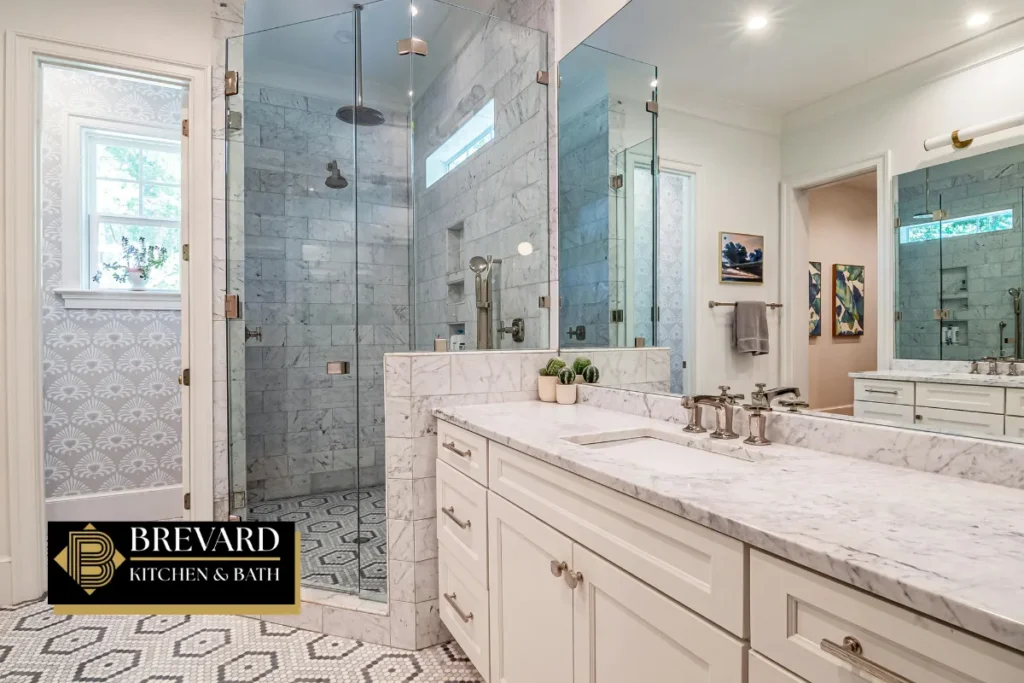
A well-executed bathroom renovation offers more than just visual appeal.
Remodeling your bathroom can lead to high personal satisfaction and potentially a return on your investment when it comes time to sell your home.
A bathroom renovation can improve your home’s curb appeal to future buyers and boost its overall value.
For waterfront homeowners, choosing the right bathroom tile flooring is not just about style—it’s about protecting your property and ensuring long-term durability.
Final Thoughts on Creating a Durable Waterfront Bathroom
Choosing the best bathroom tile flooring for waterfront homes on Riverside Drive requires careful planning, smart material selection, and expert installation. From porcelain and ceramic to modern LVT options, each material offers unique benefits suited for coastal environments.
By focusing on durability, slip resistance, and proper waterproofing, homeowners can create a bathroom that not only looks stunning but also stands up to the challenges of waterfront living. Investing in quality materials and experienced professionals ensures your bathroom remains functional, safe, and beautiful for years to come.
Bathroom Remodeling Contractor in Melbourne, FL – Brevard Kitchen and Bath
At Brevard Kitchen and Bath, we specialize in bathroom remodeling designed for waterfront homes. Our team is equipped to handle complete bathroom remodeling services for waterfront homes, and we understand the unique challenges homeowners face in Melbourne, Florida, with premium materials built to withstand moisture and coastal conditions.
We guide you through every step of your bathroom renovation, from design to installation, ensuring your space is both beautiful and functional. Whether you’re planning a full remodel or upgrading your bathroom tile flooring, we provide remodeling services that include fixtures, sinks, faucets, and toilet replacements. Brevard Tile offers a selection of materials for bathroom flooring, with options that can coordinate with cabinets, cabinetry, countertops, and accessories in related kitchen or bath updates.
We invite you to call us at (844) 965-1213 or fill out our contact form to start your project. Let us help transform the room into a dream bathroom that improves daily life for the whole family, and invite Melbourne, Palm Bay, and Satellite Beach residents in Brevard County to request a consultation or estimate.
Frequently Asked Questions
What is the best tile size for small waterfront bathrooms?
Larger tiles can make a small bathroom feel more spacious by reducing grout lines and creating a seamless look. However, smaller tiles may be better for shower floors where slip resistance is important. In waterfront homes, balancing aesthetics with safety is key. Choosing the right tile size also depends on layout, drainage slope, and overall design goals. Consulting with a bathroom remodeling contractor ensures proper selection and installation tailored to your space.
How often should bathroom tiles be resealed in coastal areas?
Natural stone tiles typically require sealing every 6 to 12 months in coastal environments due to constant moisture exposure. Ceramic tiles may need less frequent sealing, depending on usage. Regular maintenance prevents water absorption and extends the lifespan of your flooring. Monitoring grout lines and tile surfaces for signs of wear helps maintain durability. A professional bathroom remodeler can recommend a maintenance schedule based on your materials.
Can I install bathroom tile flooring over existing floors?
In some cases, new tiles can be installed over existing flooring if the surface is stable, level, and free of damage. However, in waterfront homes, removing old materials is often recommended because demolition is the first step in the construction phase before hidden moisture issues or subfloor concerns can be inspected. Proper preparation ensures better adhesion and longevity. A full bathroom remodel may include subfloor inspection to prevent future problems.
What ventilation is required for bathroom renovations in Melbourne?
Bathrooms must have proper ventilation to control humidity and prevent mold growth. This typically includes exhaust fans vented to the exterior. Local building codes require adequate airflow, especially in moisture-prone environments like waterfront homes. Proper ventilation protects your tile flooring and overall structure. A licensed contractor ensures your bathroom renovation meets all requirements.
How long does a typical bathroom remodel take?
A standard bathroom remodel can take anywhere from two to four weeks, depending on the complexity of the project. To begin with a clear plan, a small bathroom remodel may take five to eight working days, while more complex projects often run longer. Factors such as custom tile installation, plumbing changes, and material availability can extend timelines. Waterfront properties may require additional waterproofing steps, which can add time but improve durability. Working with experienced bathroom remodelers and trained technicians helps get the job done right, and many homeowners bring design ideas while contractors take pride in keeping the project on schedule.
Disclaimer: This article is for informational purposes only and does not replace professional advice. Always consult a licensed contractor in Melbourne, Florida to ensure your bathroom remodeling project meets local building codes and safety regulations.